
Cudweed
en Español / em Português
El inglés es el idioma de control de esta página. En la medida en que haya algún conflicto entre la traducción al inglés y la traducción, el inglés prevalece.
Al hacer clic en el enlace de traducción se activa un servicio de traducción gratuito para convertir la página al español. Al igual que con cualquier traducción por Internet, la conversión no es sensible al contexto y puede que no traduzca el texto en su significado original. NC State Extension no garantiza la exactitud del texto traducido. Por favor, tenga en cuenta que algunas aplicaciones y/o servicios pueden no funcionar como se espera cuando se traducen.
Português
Inglês é o idioma de controle desta página. Na medida que haja algum conflito entre o texto original em Inglês e a tradução, o Inglês prevalece.
Ao clicar no link de tradução, um serviço gratuito de tradução será ativado para converter a página para o Português. Como em qualquer tradução pela internet, a conversão não é sensivel ao contexto e pode não ocorrer a tradução para o significado orginal. O serviço de Extensão da Carolina do Norte (NC State Extension) não garante a exatidão do texto traduzido. Por favor, observe que algumas funções ou serviços podem não funcionar como esperado após a tradução.
English
English is the controlling language of this page. To the extent there is any conflict between the English text and the translation, English controls.
Clicking on the translation link activates a free translation service to convert the page to Spanish. As with any Internet translation, the conversion is not context-sensitive and may not translate the text to its original meaning. NC State Extension does not guarantee the accuracy of the translated text. Please note that some applications and/or services may not function as expected when translated.
Collapse ▲Description
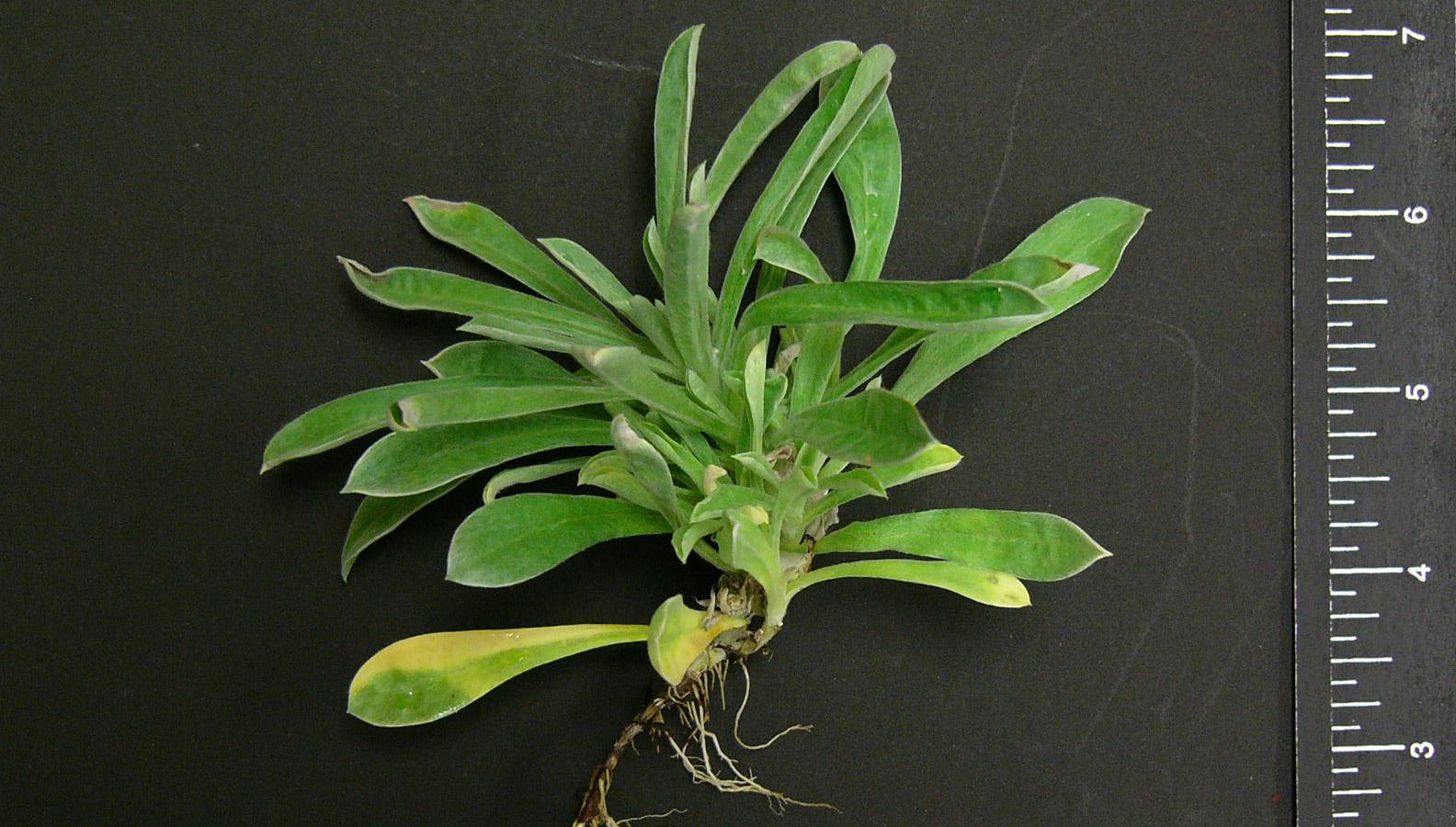
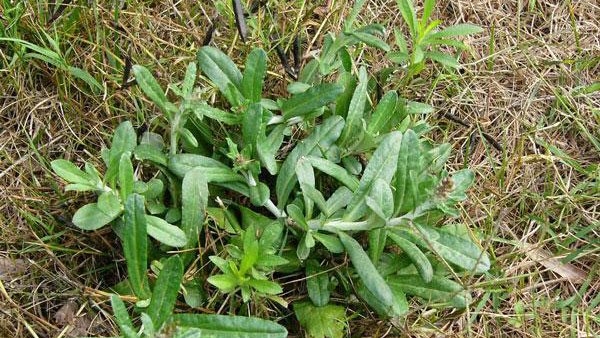
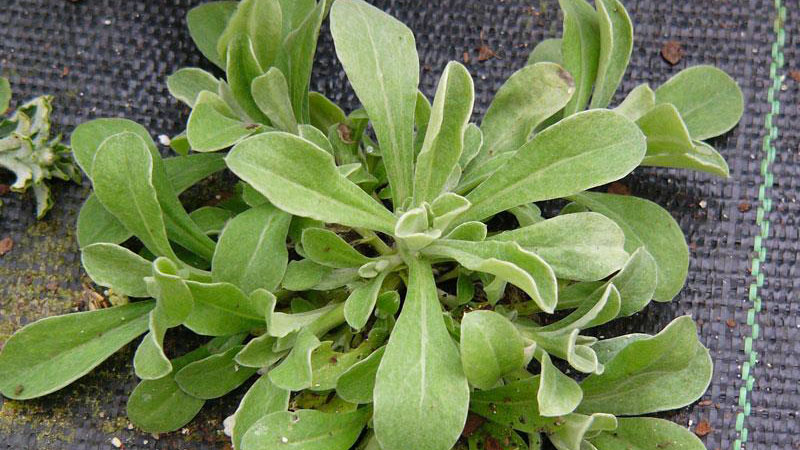
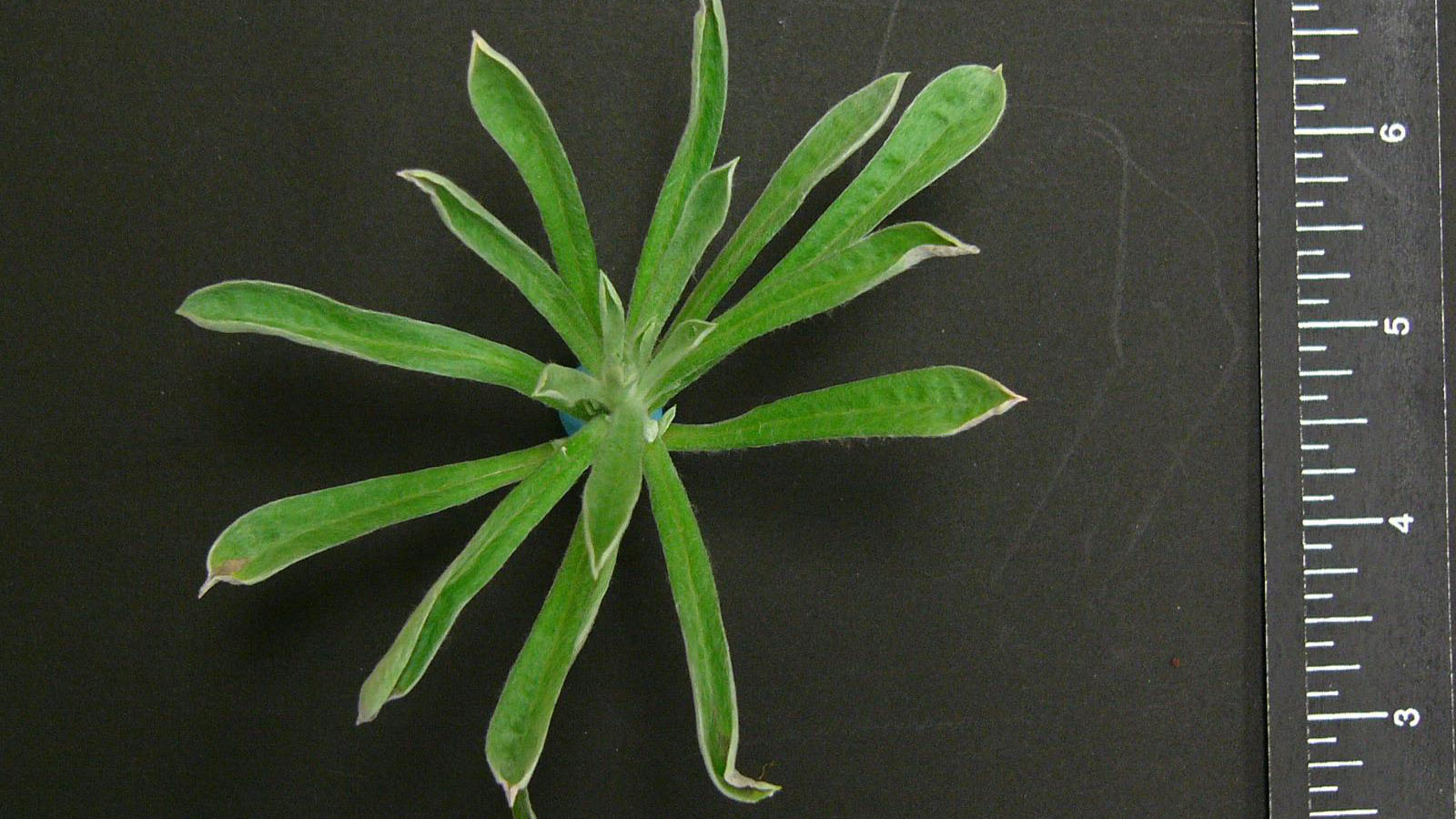
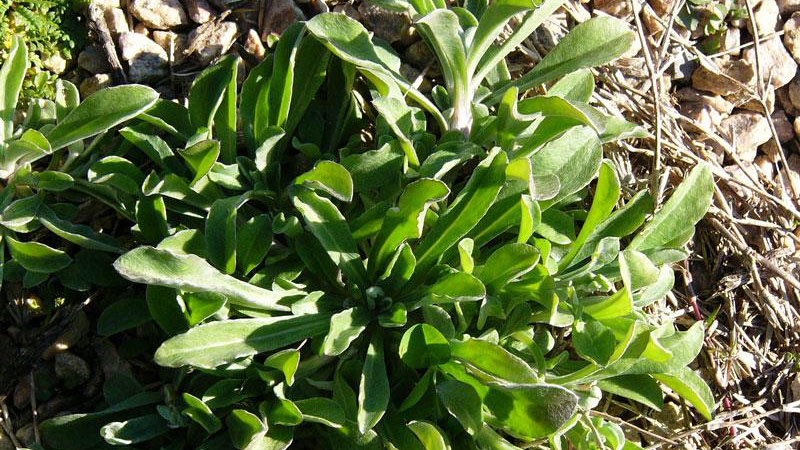
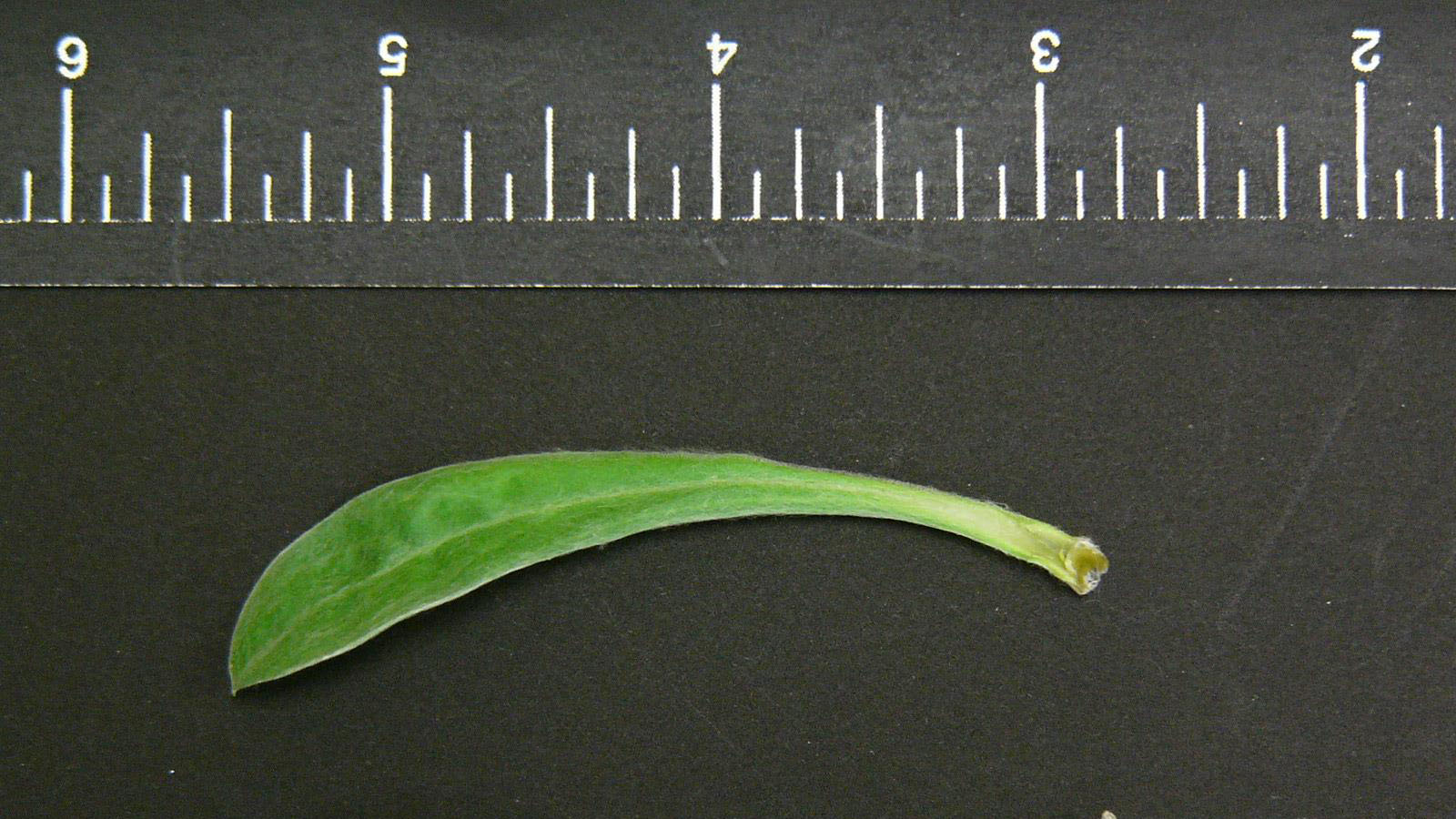
The cudweeds (Gnaphalium) are comprised of many different species that are similar in growth habits and control measures. In general, the cudweeds have basal rosettes and the leaves and seedheads are covered in distinct fine, white "wooly" fibers. Some cudweeds only have this hair on the undersides of the leaves, and other cudweeds have this hair on all surfaces. Cudweeds overwinter as small basal rosettes, but in the spring usually grow an upright stem.
Cultural Control
Proper turf management is important for biennial broadleaf weed control. Maintain a dense, actively growing turf through proper mowing, fertilizing, and watering practices. Mow at the proper height for your selected adapted turfgrass. Coring and traffic control reduce compaction and encourage desirable turfgrass competition. It is best to control this biennial broadleaf weed in spring or fall, if actively growing at these times.
Species Data
- GROWTH SEASON / LIFE CYCLE
- summer annual or winter annual or biennial weed
- GROWTH HABIT
- LEAFLET NUMBER
- one
Figure 5
- one
- LEAF MARGIN
- smooth
- LEAF HAIRS
- upper / lower surface
- LEAF / LEAFLET SHAPE
- oval / egg-shaped / elliptical
Figure 6
- oval / egg-shaped / elliptical
- LEAF WIDTH
- 1⁄2 - 2 inches
Figure 7
- 1⁄2 - 2 inches
- LEAF VENATION
- pinnate; leaf venation is hard to see, but leaves usually look like they have been folded or creased
- LEAF ARRANGEMENT
- whorled or basal rosette
- ROOT TYPE
- taproot
- FLOWER COLOR
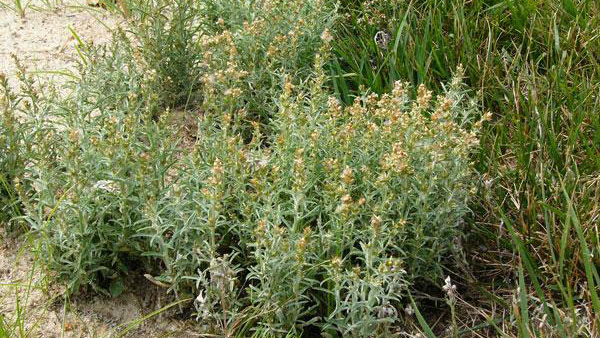
- flower is tanish white, and produces a white fiber