Description
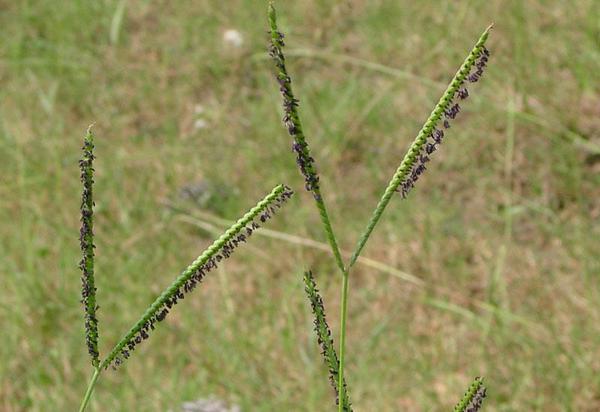
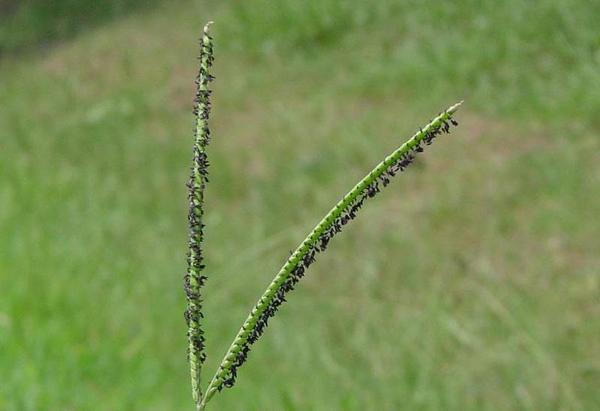
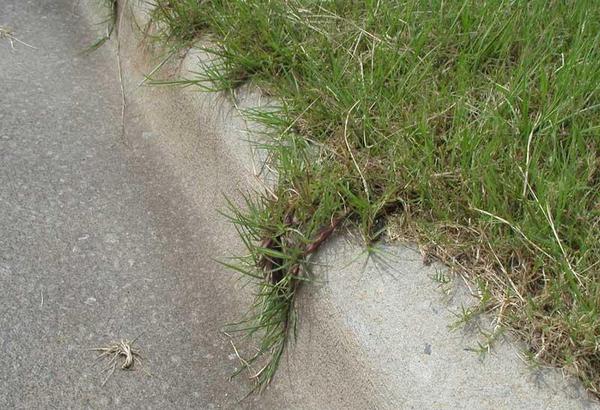
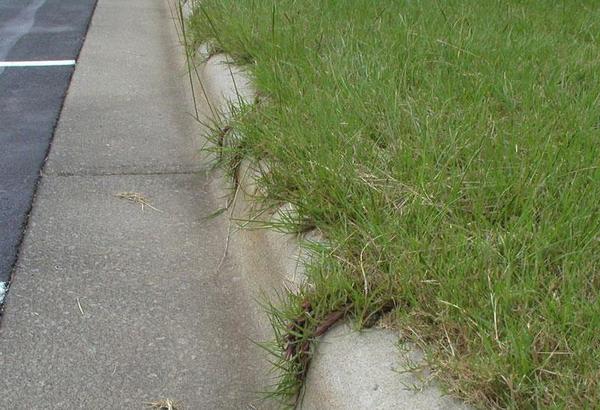
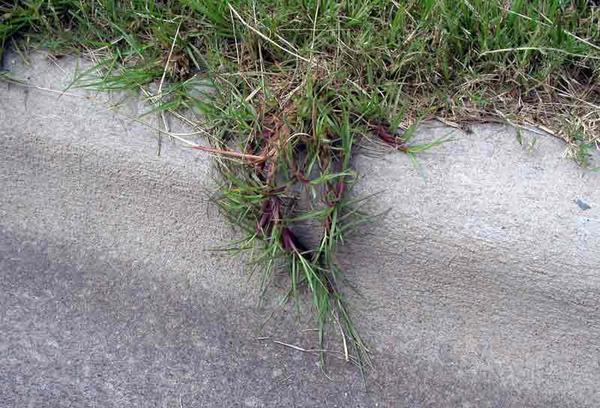
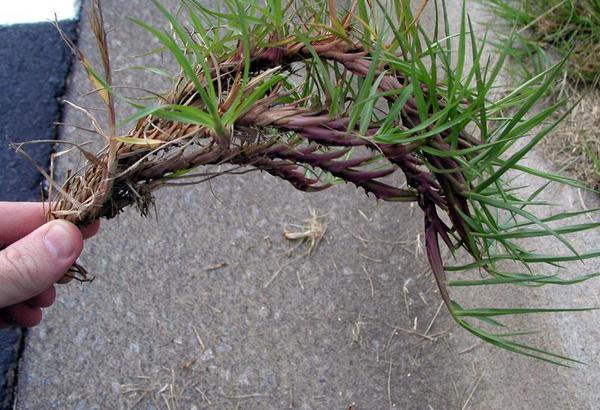
Bahiagrass (Paspalum notatum) is a warm-season species that spreads by rhizomes, and is easily recognized by its characteristic "Y-shaped" seedhead. It exhibits low overall quality because of its light color, coarse texture, and open canopy. Due to its rapid lateral spread via aggressive rhizome production it is primarily used in areas where erosion control and immediate ground cover are the main concern. It is frequently planted on roadsides and highway rights of way because it has good drought tolerance. In addition, bahiagrass has the ability to tolerate a wide range of soils. Unfortunately, it can be a very competitive and unsightly weed in highly maintained turf.
Bahiagrass as a Weed
Cultural Control
Bahiagrass is well suited for roadsides because of its good drought tolerance and general competitive ability in the southern United States. Unfortunately, it can be very competitive and unsightly in highly maintained turf. As with other perennial paspalums, bahiagrass can be difficult to control. Every effort should be made to prevent these weedy grasses from becoming established in turf, as selective control measures are usually difficult. Maintaining a dense, healthy turf year round by proper mowing and fertilization helps prevent encroachment and weed establishment.
Species Data
- SEEDHEAD / FLOWER
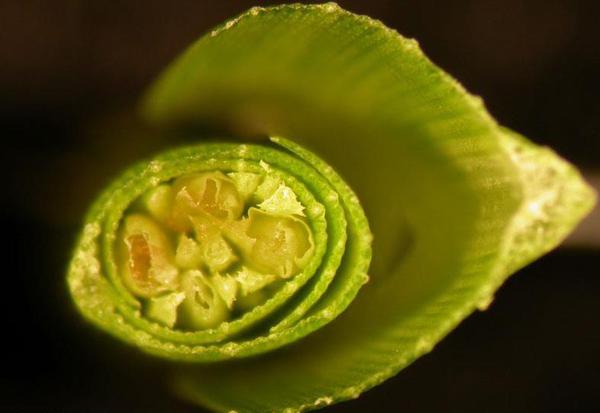
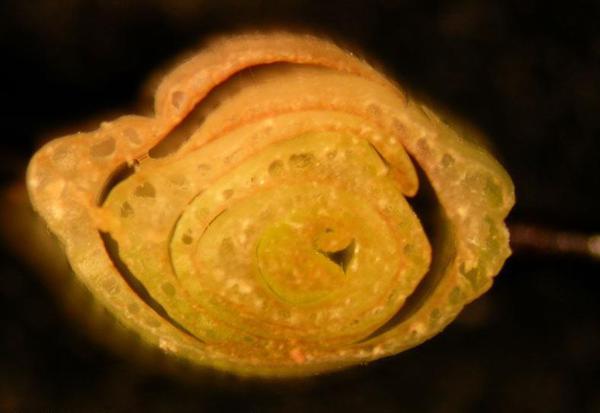
- VERNATION TYPE
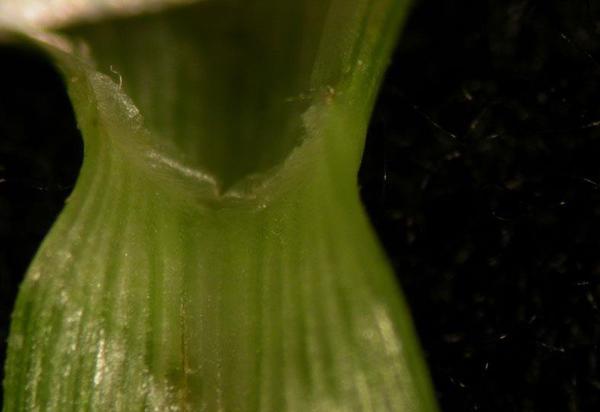
- LIGULE TYPE
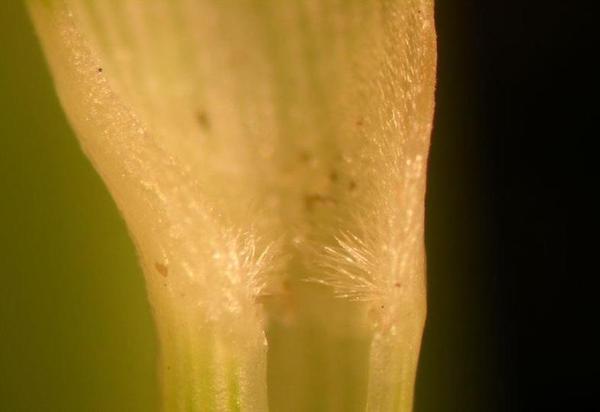
- membranous; dense white hairs on back, 0.04 inches (1 mm) long
Figure 8
- membranous; dense white hairs on back, 0.04 inches (1 mm) long
- GROWTH SEASON / LIFE CYCLE
- warm season turf or perennial weed
- AURICLE TYPE
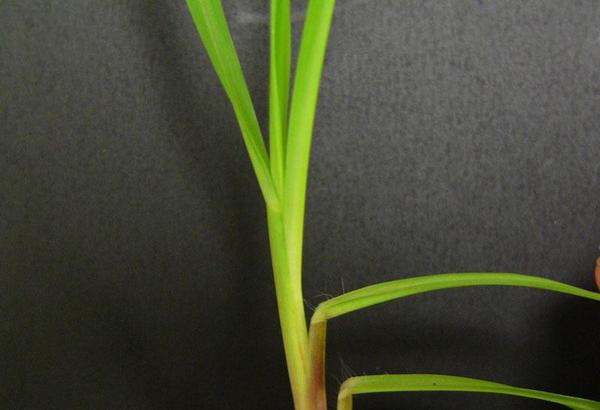
- absent
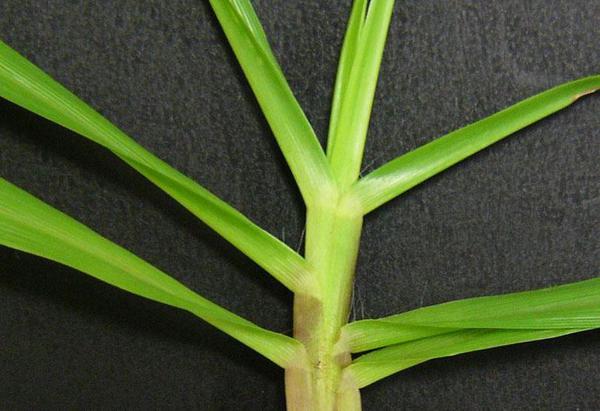
- LEAF BLADE TIP SHAPE
- sharp-pointed; usually sparsely hairy along edge toward base, smooth on both surfaces
- LEAF BLADE WIDTH
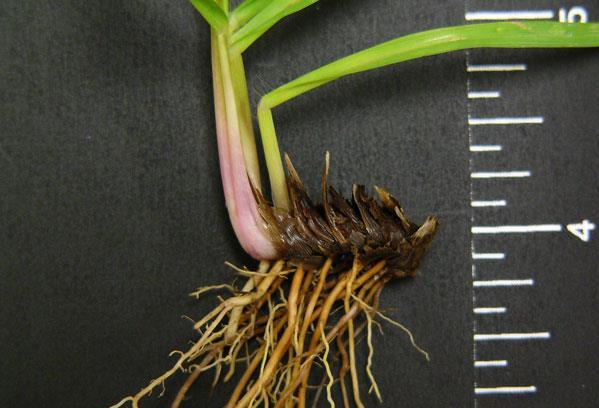
- leaf blade mostly greater than 0.2 inches wide, 0.16 - 0.31 inches (4 - 8 mm)
Figure 9
- leaf blade mostly greater than 0.2 inches wide, 0.16 - 0.31 inches (4 - 8 mm)
- STOLON PRESENCE
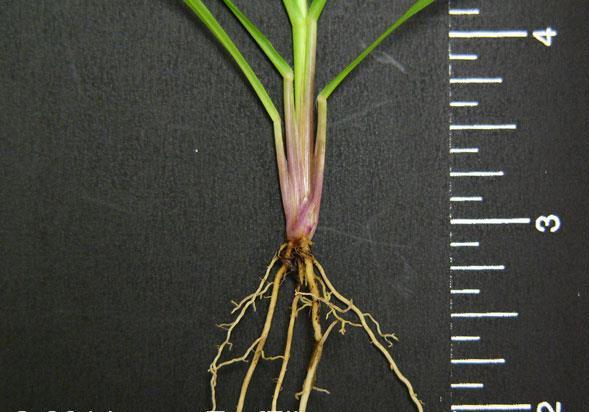
- RHIZOME PRESENCE
- COLLAR TYPE
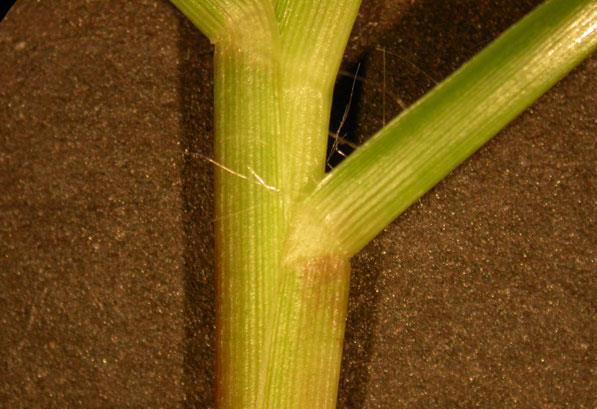
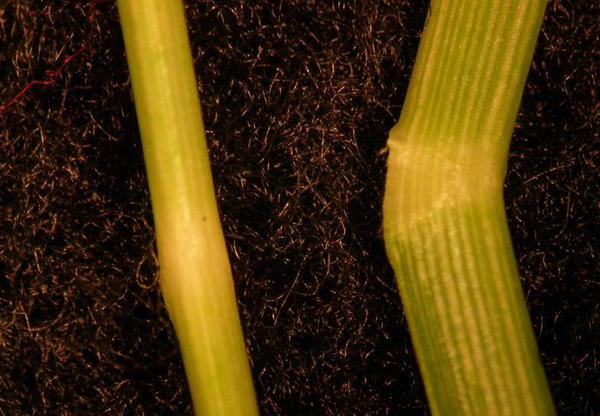
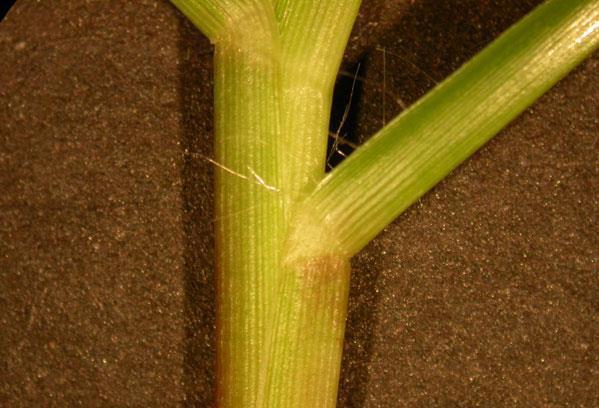
- SHEATH MARGIN
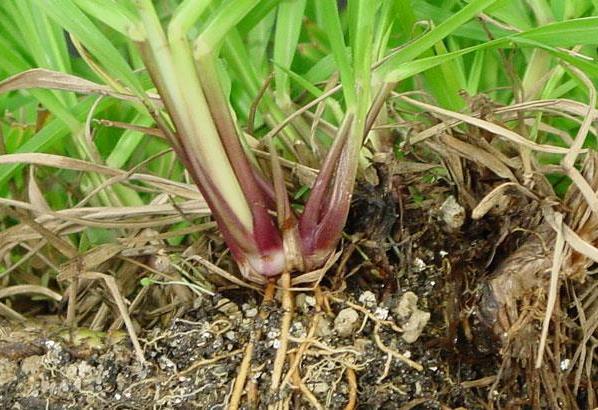
- open
Figure 19
- open
- SHEATH TYPE

This Extension publication can also be viewed at: https://content.ces.ncsu.edu/bahiagrass