Description
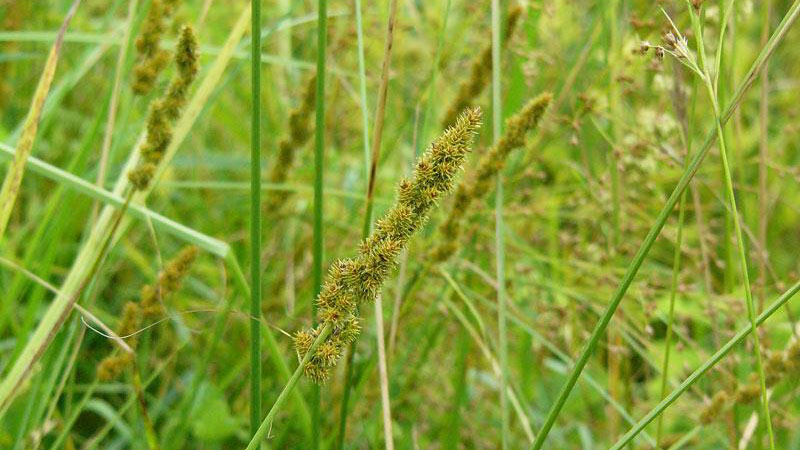
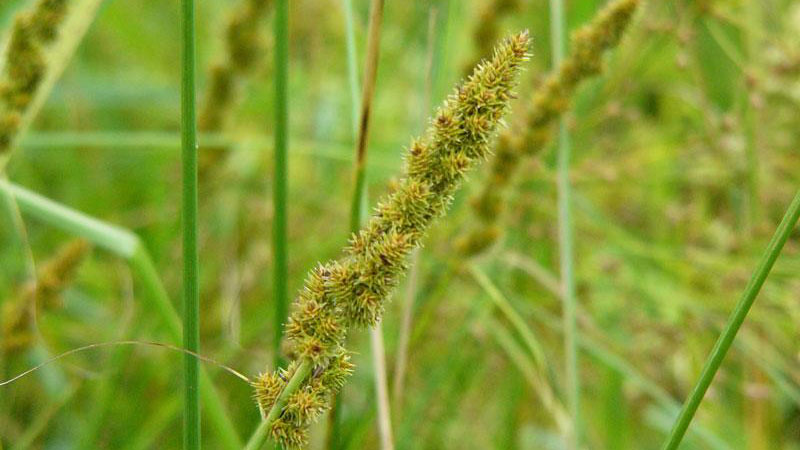
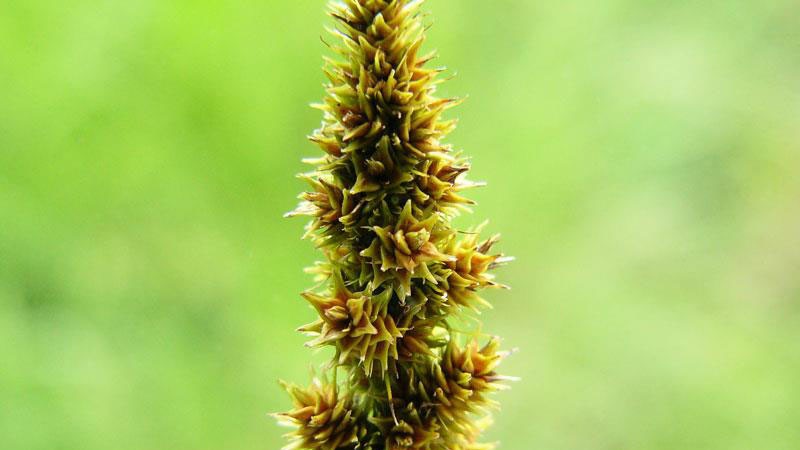
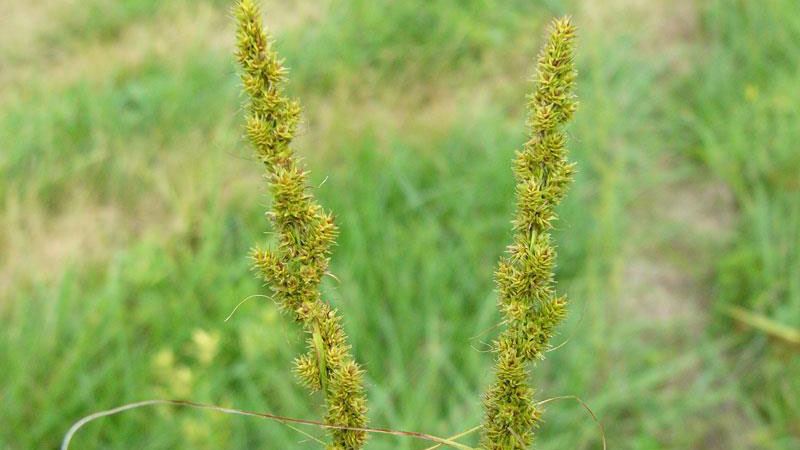
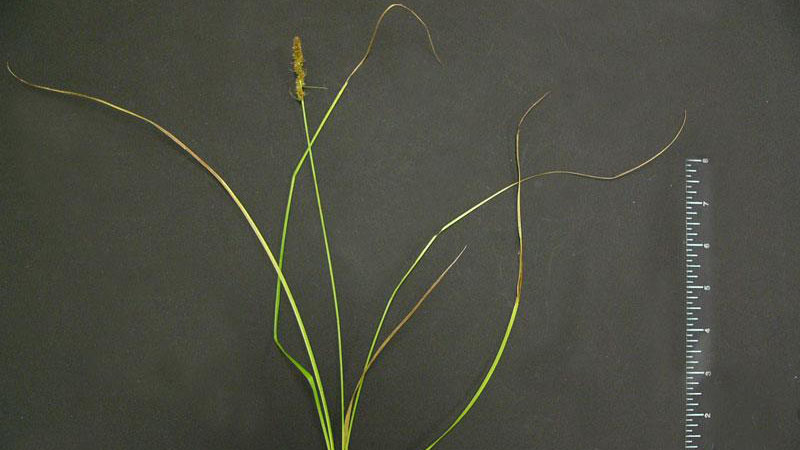
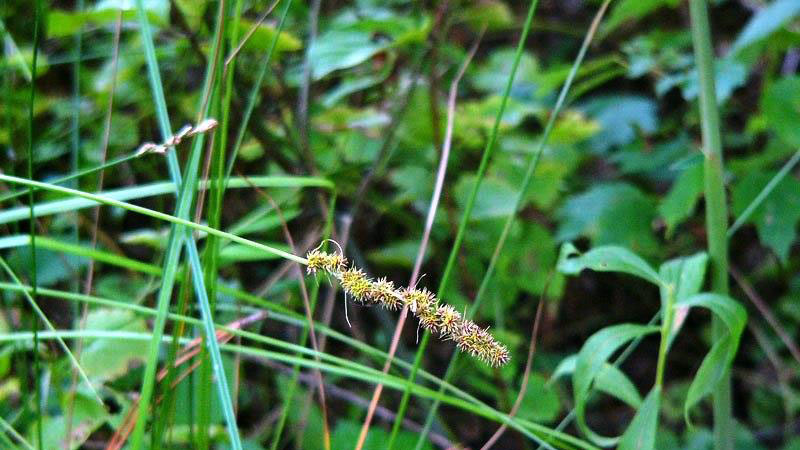
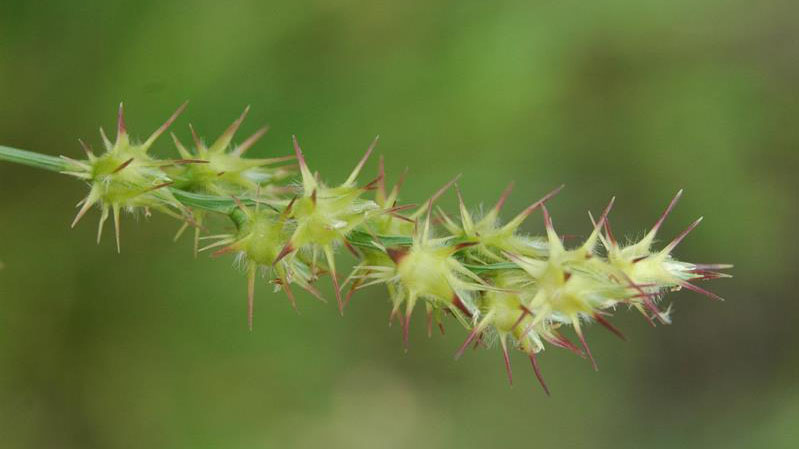
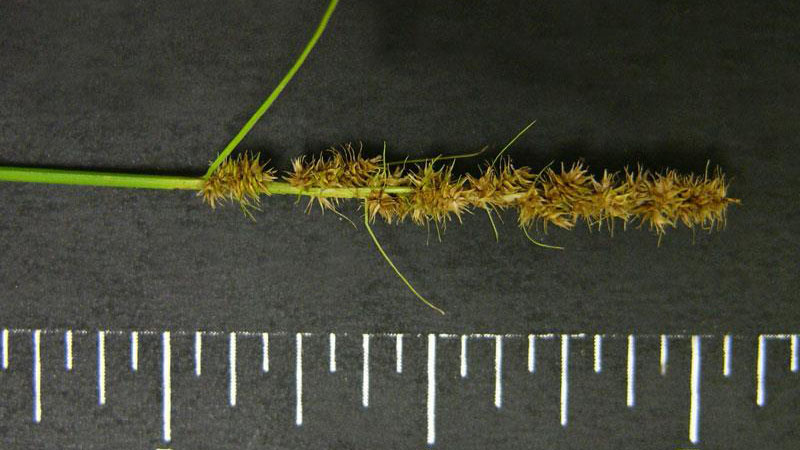
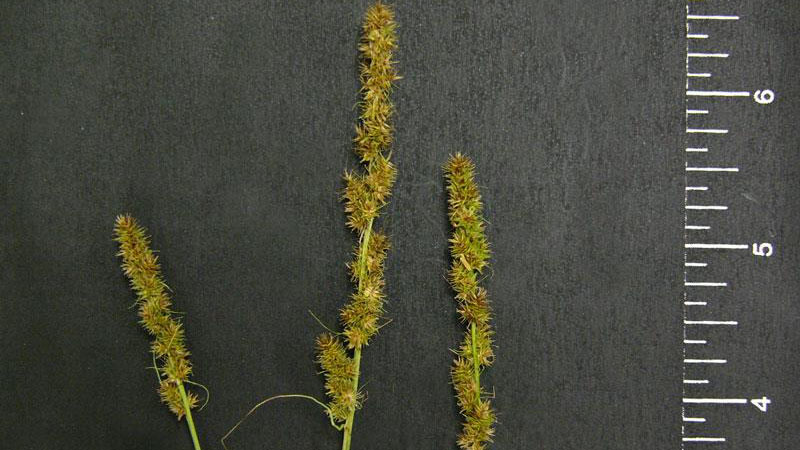
Sandbur (Cenchrus) can be a very troublesome weed in warm-season turf species. It is easily identified by the seedhead, which is a spike of tiny burs that can hurt when touched. This weed thrives in sandy soils, but can be controlled with certain herbicides when in the seedling stage.
Cultural Control
Maintaining a dense, vigorous turf is the first step in effective weed control. Cultural and management practices that enhance turfgrass growth generally reduce weed competition and encroachment. First, select adapted turfgrass cultivars for your area and then properly fertilize, mow, and water to encourage dense growth.
Species Data
- SEEDHEAD / FLOWER
- VERNATION TYPE
- leaves folded in the bud
- LIGULE TYPE
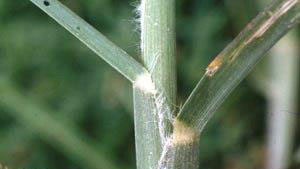
- fringe of hairs 0.04 inches (1 mm) long, with 0.08 inch (2 mm) long hairs on each side
- GROWTH SEASON / LIFE CYCLE
- summer annual or perennial weed
- AURICLE TYPE
- absent
- LEAF BLADE TIP SHAPE
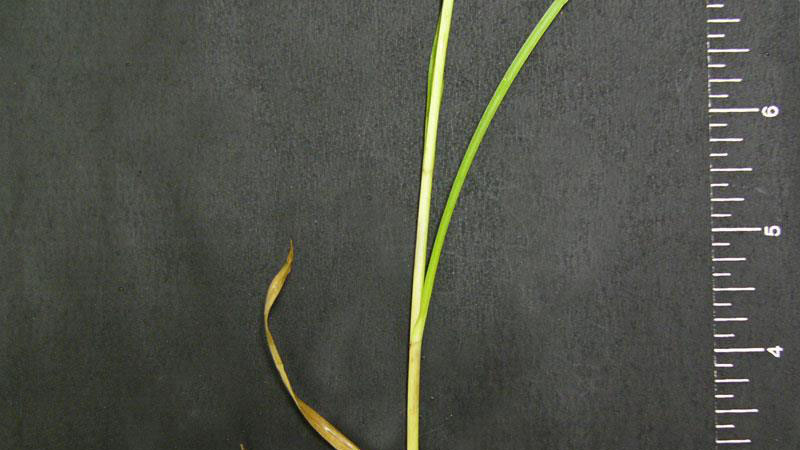
- sharp-pointed; thin, flat, usually not hairy
Figure 10
- sharp-pointed; thin, flat, usually not hairy
- LEAF BLADE WIDTH
- 0.08 - 0.24 inches (2 - 6 mm) wide
- STOLON PRESENCE
- none, but stems decumbent
- RHIZOME PRESENCE
- present; very short
- COLLAR TYPE
- divided by midrib, distinct
- SHEATH TYPE
- flattened; sheath is usually not hairy
Figure 11
- flattened; sheath is usually not hairy
This Extension publication can also be viewed at: https://content.ces.ncsu.edu/sandbur